Addiction
Getting High Ain't Living: When the Streets Become Your Whole World
November 7, 2026
By Gerald Chambers
There's a difference between living on the streets and having the streets become your entire life.
At some point, the hustle stops being about getting ahead. It's not even about getting by anymore. It's about getting high. Finding enough money to get something, finding somebody who's holding, finding somewhere to use, and then waking up tomorrow to do the same damn thing all over again.
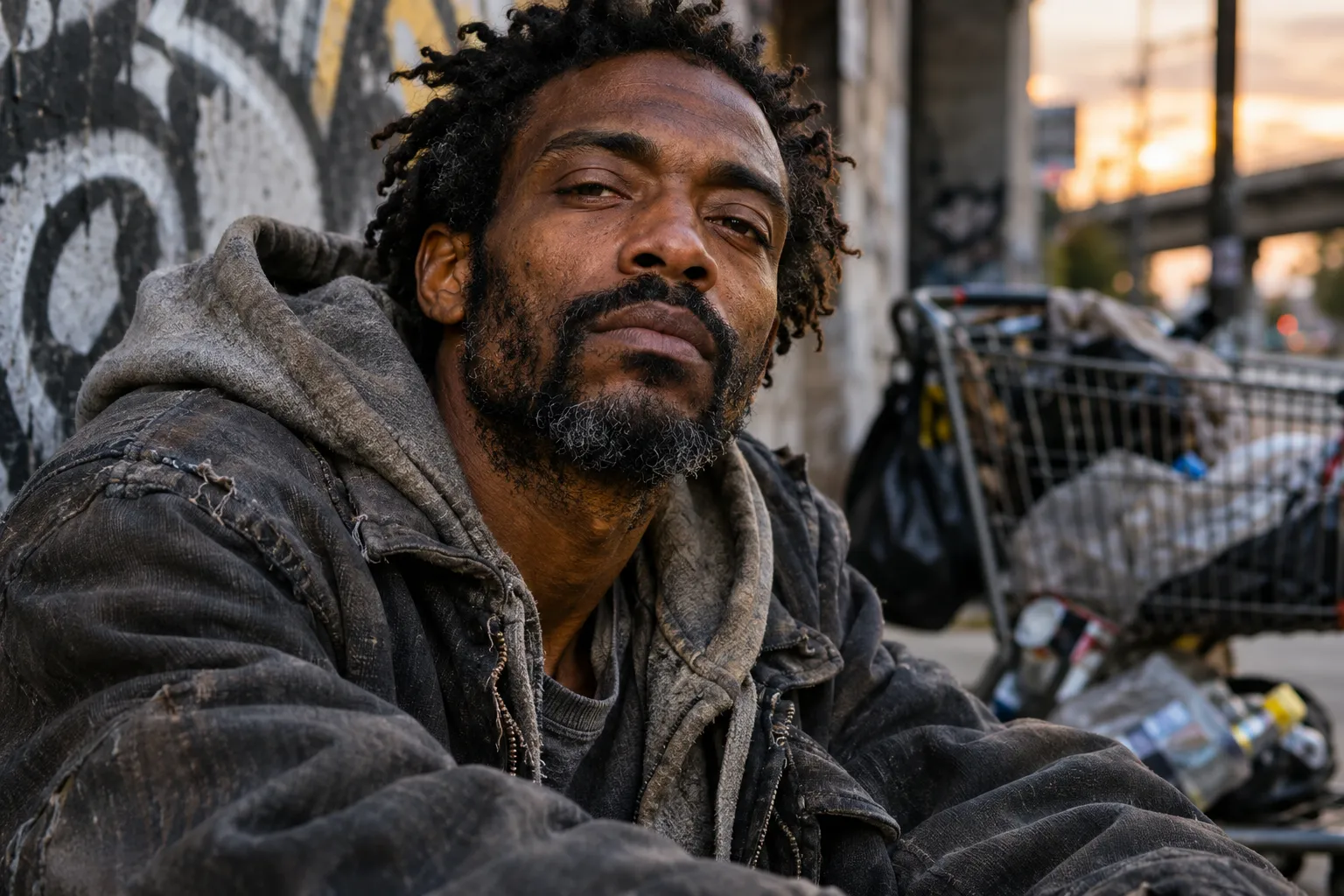
That's the world Marcus was living in.
Marcus isn't his real name. His story is a composite, drawn from the kinds of struggles people experience when addiction takes over their lives.
He didn't wake up one morning and decide to throw everything away. Nobody starts out with a plan to lose their family, their job, their friends, and eventually their place in the world.
It happens a little at a time.
Just One Hit. That's What You Tell Yourself.
Marcus would wake up telling himself he'd only smoke once.
Just enough to get himself together.
But one hit turned into another. Marijuana, meth, whatever was available. Before he knew it, another day was gone.
He had made promises to himself before. He was going to stop. He was going to get clean. He was going to get his life together.
And sometimes he actually stopped.
A few weeks. Maybe a month.
Then he was right back at it.
That's one of the cruelest parts of addiction. You can know exactly what you're doing to yourself and still do it.
Knowing isn't always enough.
The Hustle Never Stops
When you're addicted and living on the streets, getting high becomes a full-time occupation.
Marcus spent his days collecting cans, digging through dumpsters, stripping copper wire, and looking for anything he could turn into a few dollars.
Not to buy groceries.
Not to put money aside for a room.
To get high.
And even that wasn't simple. People ripped him off. Dealers disappeared. Money ran out. He had to keep looking for another connection, another opportunity, another way to get what he needed.
Imagine putting that much effort into something every single day and having absolutely nothing to show for it.
No paycheck. No savings. No security.
Just another day survived and another day lost.
People sometimes look at someone like Marcus and call him lazy.
But there's nothing lazy about spending all day hustling for drugs.
The problem isn't necessarily a lack of effort. It's where all that effort is going.
The Streets Don't Love You Back
Living outside is dangerous enough when you're sober.
Add addiction to the equation, and the danger multiplies.
Marcus had been assaulted. Threatened. Chased. His property had been damaged. He found himself around people and in situations he would have avoided under different circumstances.
But when getting high becomes the priority, danger starts looking like just another part of the day.
You learn to live with things that should scare the hell out of you.
And eventually, you stop being surprised when something bad happens.
That's not freedom.
That's survival.
And survival isn't the same thing as living.
Ten Years Without Family
This might be the hardest part of the story.
Marcus had been disconnected from his family for years.
Think about that.
Birthdays. Holidays. Weddings. Funerals. Children growing up. People getting older. Life continuing without you.
Ten years is a long time to be missing from your own life.
And the longer you're gone, the harder it can feel to come back.
There's shame. There's guilt. There's the fear that nobody wants to see you anymore.
Sometimes families have had enough. Sometimes they've been hurt too many times. Sometimes they have to protect themselves.
And sometimes the person who's using starts believing that isolation is exactly what they deserve.
But nobody becomes a better person simply by hating themselves.
Shame might tell you what you've lost. It doesn't necessarily tell you how to get it back.
Even the Things You Loved Disappear
Before drugs consumed his life, Marcus had interests.
He enjoyed gaming. He was competitive. He had something he looked forward to doing.
That might not sound like much to somebody else, but it matters.
Because having something you enjoy is part of having a life.
Addiction doesn't just take away the big things. It takes away the little things, too.
The things you do for fun.
The people you laugh with.
The activities that make an ordinary Tuesday worth getting up for.
Eventually, there's no room for any of it.
Everything gets pushed aside to make room for the next high.
And that's when addiction has done something particularly destructive.
It hasn't just changed what you do.
It's changed what your life is organized around.
The Gap Between Wanting to Stop and Actually Stopping
Here's where I want to make an important point.
Marcus knew he had a problem.
He knew the drugs were costing him his relationships, his safety, his employment, and his future.
He wanted things to be different.
But wanting something and making it happen are two different things.
I call this the Intention–Action Gap.
It's the space between what we intend to do and what we actually do.
All of us experience that gap. We make promises, set goals, and decide we're going to change something about our lives.
Then reality shows up.
For someone dealing with severe addiction, that gap can become enormous.
Cravings, withdrawal, stress, homelessness, trauma, and the constant demands of survival can make it extremely difficult to follow through on even the best intentions.
That doesn't mean a person has no responsibility for what happens next.
It means responsibility has to involve more than telling somebody to get their act together.
People need the support, skills, treatment, and opportunities that make different choices possible.
And sometimes they need somebody who can see more in them than the mess they're standing in.
Getting Clean Is the Beginning, Not the Whole Story
Here's something I've learned from working with people struggling with addiction.
Stopping drug use is important.
But stopping isn't the same thing as rebuilding a life.
What happens after you stop?
Where are you going to sleep?
Who will you spend time with?
How will you earn money?
What will you do when you're lonely, angry, frightened, or bored?
What are you going to do with all those hours you used to spend chasing drugs?
These aren't small questions.
They're the questions that recovery has to answer.
Because if your entire life has been organized around getting high, recovery requires more than removing the drugs.
It requires building something to take their place.
Relationships. Purpose. Structure. Responsibility. Connection.
A life worth protecting.
There's Still a Person Underneath All That
It's easy to look at someone digging through a dumpster, pushing a shopping cart, or wandering around the neighborhood and see only the addiction.
But that person had a life before the drugs took over.
They had interests.
They had relationships.
They had hopes for themselves.
They may have been somebody's best friend, coworker, father, or son.
And underneath everything that's happened, that person is still there.
Recovery doesn't guarantee that everything lost will be restored. Some relationships may never be repaired. Some opportunities are gone for good.
But that doesn't mean there's nothing left to build.
The question isn't just whether somebody can stop getting high.
The bigger question is whether they can begin creating a life they no longer need to escape from.
Because getting high every day might keep you occupied.
It might numb the pain.
It might help you forget what you've lost for a few hours.
But it isn't the same thing as living.
And as long as you're alive, you still have a chance to build something different.
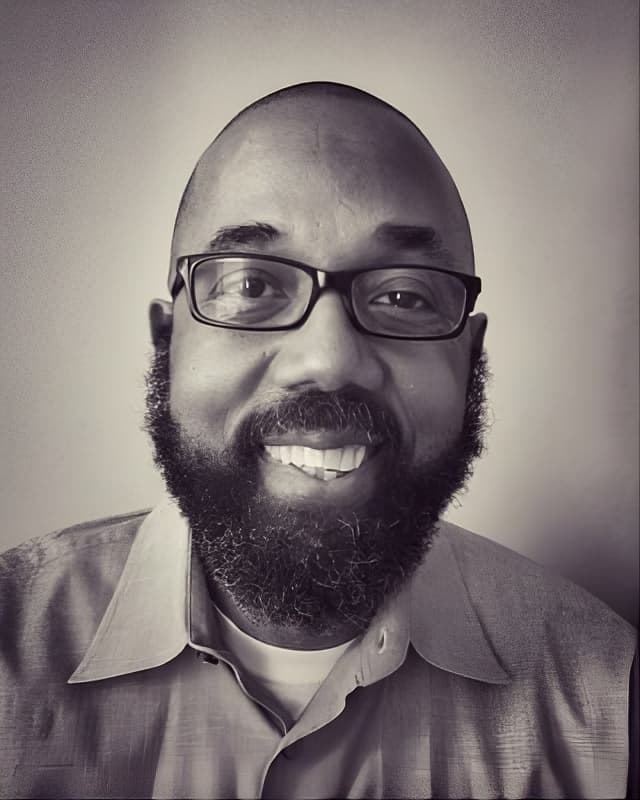
Gerald Chambers is a California-licensed Marriage and Family Therapist whose work focuses on addiction recovery, relationships, personal responsibility, and the gap between good intentions and reliable action.
This article uses a fictionalized composite to illustrate experiences associated with substance use disorders. It does not describe an identifiable client.
 GC
Gerald B. Chambers, LMFT #100367
Licensed Marriage and Family Therapist specializing in addiction, domestic violence, and relationships. Serving California clients online.
About Gerald →